
ADVANCED DIPLOMA OF DIGITAL ENGINEERING
INCREASE PRODUCTIVITY through effective use of Digital Engineering
ACCELERATE YOUR CAREER with in-demand capability
(11343NAT)
Develop and demonstrate recognised Digital Engineering capability
Digital Engineering is now a core requirement across infrastructure and built environment projects. However, capability remains inconsistent, role-dependent, and difficult to verify. There is no clear, structured pathway to build and demonstrate necessary capability, limiting recognition, accountability, and effective delivery.
Addressing that gap
The Advanced Diploma of Digital Engineering (11343NAT) provides a practical, industry-aligned pathway to develop capability to support the growing demand for Digital Engineering capability across infrastructure, civil, transport, buildings and asset management.
Pivodel provide the training and assessment of this accredited qualification on behalf of TAFE Queensland (RTO 0275) Under this arrangement TAFE Queensland will award the qualification.
Visit TAFE Queensland's website or ring 1300 308 233 for further course information and entry requirements.
What makes this different
- Industry-led and grounded in real project delivery
- Focused on capability and outcomes, not just software
- Aligned to real workflows across design, construction, and asset management
What you will learn
- Define Digital Engineering governance, compliance, and information management across project delivery
- Coordinate design and models using BIM, model federation, and rule-based workflows
- Manage structured data, validation, and asset information across the lifecycle
- Establish interoperability and manage information exchange through a Common Data Environment
- Manage parametric design and scripting activites to support sustainable and maintainable digital workflows within organisations
Benefits
Professionals
- Strengthen credibility and career progression
- Move and advance in Digital Engineering roles
- Apply capability confidently across projects
Organisations
- Uplift workforce capability
- Improve consistency in delivery
- Demonstrate capabilities through certification
The successful achievement of this qualification requires you to complete all core and 1 of the elective units from the list below.
| Core Units | Unit Code |
|---|---|
| Implement digital engineering governance and compliance on construction projects | NAT11343001 |
| Provide digital engineering support on construction projects | NAT11343002 |
| Establish digital engineering data production requirements | NAT11343003 |
| Establish rules based design coordination for construction projects | NAT11343004 |
| Federate design engineering models | NAT11343005 |
| Establish visual scripting for a construction project | NAT11343006 |
| Design parametric components for construction projects | NAT11343007 |
| Formulate a design model for a construction project | NAT11343008 |
| Coordinate digital engineering asset information | NAT11343009 |
| Establish digital engineering systems interoperability | NAT11343010 |
| Implement a common data environment for construction projects | NAT11343011 |
| Implement programming practices for digital engineering solutions | NAT11343012 |
| Elective Units | Unit Code |
|---|---|
| Facilitate design coordination in building projects | NAT11343013 |
| Facilitate design coordination in road projects | NAT11343014 |
| Future Elective Units | Unit Code |
|---|---|
| Facilitate design coordination in rail projects | NAT11343015 |
Entrants to the Advanced Diploma of Digital Engineering must:
- hold a minimum of a Diploma in building, construction, engineering or information technology,
or
- have a minimum of 3 years work experience in a building, construction, engineering or information technology related role,
and
- hold a level of language, literacy and numeracy equivalent to the Australian Core Skills Framework Level 4 across all domains, and a high level of digital literacy.
24 Months
STUDY MODE
100% Online Learning (industry-led sessions, practical projects, and self-directed study)
This industry-led qualification is designed to develop and demonstrate Digital Engineering capability while you continue working. Delivered fully online, it reflects modern project environments through structured learning and practical application.
The program combines guided instruction, applied project work, and self-directed learning, enabling you to build capability across real project workflows and apply it directly within your role.
View information on course fees on TAFE Queensland's website
DIFfERENTIATE YOURSELF WITH DIGITAL ENGINEERING
Career Acceleration
Enhance your current skills set to advance in your career
Industry Alignment
Develop capability aligned to how Digital Engineering is delivered across modern projects.
Immediate Application
Apply learning directly within your current role and projects
How Digital Engineering enhances your career
 BIM Modeller
How Digital Engineering helps
Sharpens your ability to produce intelligent, fit-for-purpose models with data structured to enable stakeholders to use information effectively. You become a key contributor to models that carry the right data at the appropriate level of detail for their intended use case.
Key competencies and skills
- Model creation aligned to standards
- Data-rich modelling practices
- Model quality and compliance checks
- Collaboration within structured workflows
- Understanding of information requirements
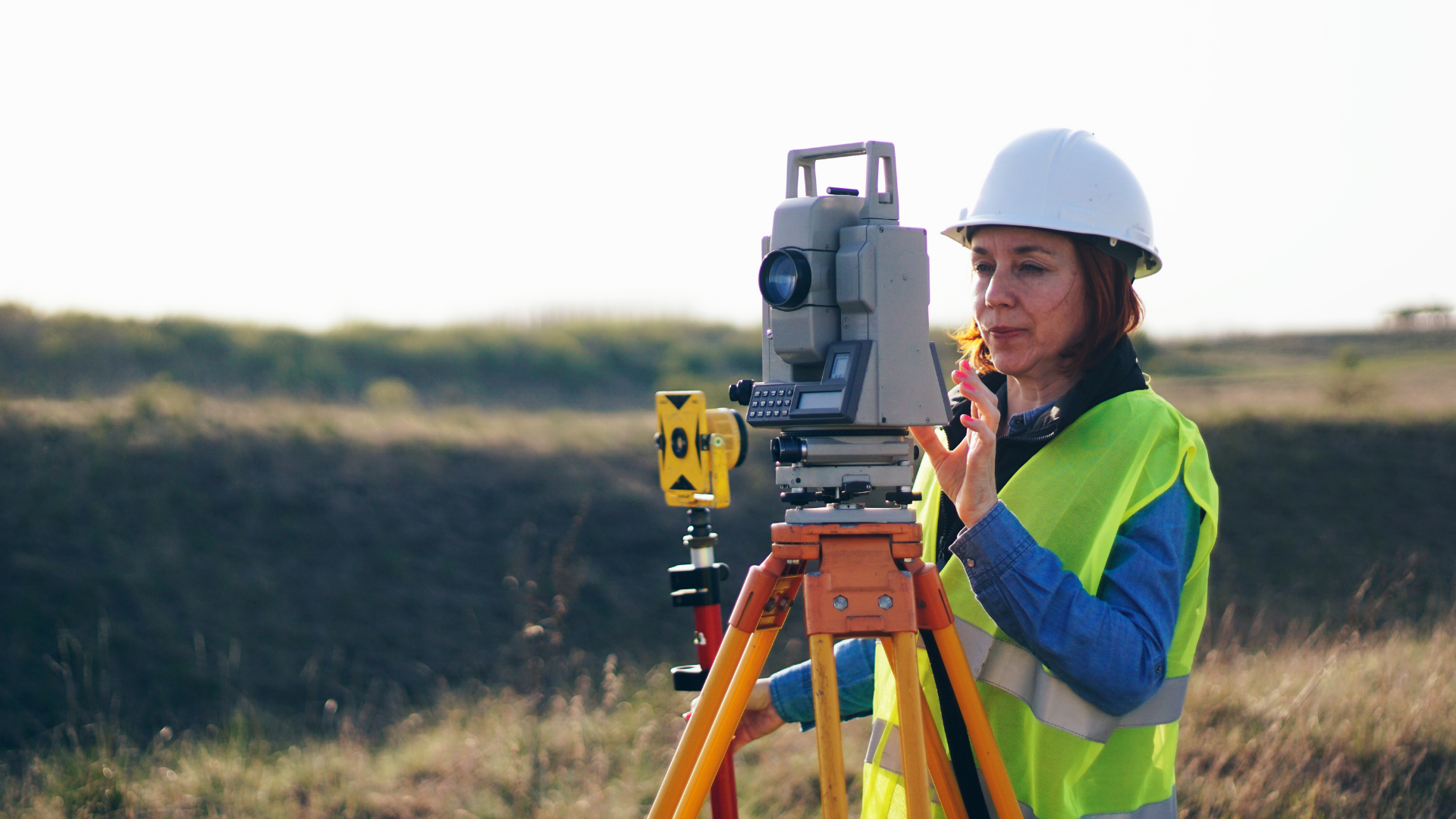 Surveyor
How Digital Engineering helps
Enhances your role by providing a greater understanding of how survey data can be standardised and structured to meet the needs of designers, constructors, and asset owners. You’ll understand how delivering survey data in model-based formats supports coordination, improves integration with stakeholder systems and technologies, and adds value across design, construction, and asset handover.
Key competencies and skills
- Understanding importance of structured data and stakeholder requirements
- Delivering model-based data for coordination and integration
- Ensuring data quality for reliable outcomes
- Understanding how data supports lifecycle activities
 Design Manager
How Digital Engineering helps
Enhances your role by enabling you to manage design information as structured data and coordinated models. You’ll leverage this information and technology to support design coordination, construcability reviews, rule-based design coordination, design risk management, and issue resolution across multidisciplinary teams. This strengthens your ability to make faster, more confident decisions with recent technology, reduce rework, improve constructability, mitigate risk, and increase traceability throughout design development.
Key competencies and skills
- Design coordination and integration
- Information management within design workflows
- Model and data review processes
- Risk identification through digital coordination
- Alignment with project information requirements
 BIM Coordinator
How Digital Engineering helps
Enables you to manage federated models and information exchange across project stakeholders, directly supporting project delivery through coordinated workflows and issue resolution. You become the critical link ensuring design information is accurate, reliable, and aligned between design intent and construction delivery.
Key competencies and skills
- Model federation and management
- Rule-based design coordination
- Model compliance and data validation
- Common Data Environment (CDE) workflows
- Issue tracking, reporting and resolution
 Data Analyst
How Digital Engineering helps
Empowers your understanding how engineering information is structured, exchanged, and utilised across the built environment. You’ll gain deeper insight into how data flows between systems and stakeholders, broadening your perspective to why it is being exchanged and enabling more meaningful analysis that supports coordination, decision-making, and project and asset outcomes.
Key competencies and skills
- Understanding engineering coordination and information exchange
- Digital Engineering delivery and reporting
- Creating meaning to structured data in a project context
- Use of data across systems and stakeholders
 Construction Manager
How Digital Engineering helps
Enhances your role by enabling you to understand how information is structured, created and used. You will be more confident in leveraging digital technologies on site to improve efficiencies in construction activities, communication of construction progress, and support better decision-making and programme outcomes. This evolves how you plan and execute, using information rich model to reduce delays, improve safety, and maintain alignment between design, delivery and handover.
Key competencies and skills
- Understanding structured information across the construction lifecycle
- Applying digital technologies to support delivery and coordination
- Using models to plan, sequence, and communicate progress
- Enabling better decisions and alignment across design, delivery, and handover
 Asset Manager
How Digital Engineering helps
Enhances your role by enabling you to translate operational needs into clearly defined asset information requirements, providing clear guidance to industry. You will confidently set requirements for designers and contractors, ensuring information produced early in the asset lifecycle is structured, usable, and delivers long-term value to support operations and maintenance.
Key competencies and skills
- Asset information requirements definition
- Data validation for asset handover
- Integration of DE activities with asset management processes
- Lifecycle information management
- Data-driven maintenance and performance optimisation
 Digital Engineer
How Digital Engineering helps
Builds your ability to structure, manage, and integrate information across the project lifecycle, ensuring data is reliable and supports delivery, coordination, and decision-making. You become the essential link between people, technology, data, and project delivery outcomes.
Key competencies and skills
- Information modelling and data structuring
- Interoperability and workflow development
- Automation and parametric design
- Data validation and quality assurance
- Lifecycle information management
 Engineer
How Digital Engineering helps
Enhances your role by developing your understanding of how engineering information is structured, coordinated, and exchanged across multidisciplinary project teams. You’ll better understand how Digital Engineering supports design coordination, information management, data quality, and project delivery outcomes throughout the asset lifecycle.
Key competencies and skills
- Understanding structured engineering information and project data
- Supporting coordinated and digitally enabled project workflows
- Contributing to information quality, consistency, and compliance
- Interpreting Digital Engineering requirements and project standards
- Improving collaboration across multidisciplinary project teams
 Project Manager
How Digital Engineering helps
Enhances your role by developing your understanding of how project data is structured and how Digital Engineering resources and services are defined. You’ll be able to identify contractual impacts and risks, make informed decisions related to Digital Engineering requirements, and understand how integrating Digital Engineering activities within the project program can improve project outcomes.
Key competencies and skills
- Understanding structured project data and its application
- Interpreting Digital Engineering requirements and services
- Identifying contractual risks and impacts
- Integrating Digital Engineering into project delivery and decision-making
 Digital Engineering Manager
How Digital Engineering helps
Empowers you to lead digital capability across projects and portfolios by establishing governance, aligning teams, and ensuring information is structured, consistent, and usable. You will be able to confidently drive integration across stakeholder and project systems, enabling coordinated delivery and informed decision-making.
Key competencies and skills
- Digital Engineering strategy and governance
- Information and data standards development
- Stakeholder alignment and change management
- Project system selection and integration oversight
- Digital performance measurement and continuous improvement
HIGHLIGHTS
Skills essential for the future of Built Environment

-
Preparing and reviewing a Bid Proposal
Stakeholder Engagement
Defining a Digital Engineering Execution Plan
Quality Assurance Responsibilities
User Training and Development
-
Interpreting Data Dictionaries
Data Modelling
Data Validation Process
Data Quality Reporting
-
Model Structure & Planning
Model Accuracy & Assurance
Stakeholder Collaboration Experience
-
Engineering Design Clearances
Clash Matrix and Rule Design
Clash Processing and Grouping
Issue Tracking and Management
-
Project System Architecture
Data security Considerations
Project system setup
Planning for System Integration
-
Managing Visual/Parametric Scripts.
Organisational Programming Governance
Intellectual Property Risk