
Now enrolling!
Advanced Diploma of Digital Engineering
(11343NAT)
Future-proof your career with credibility and confidence in the Built Environment.

First Australian Digital Engineering Vocational Qualification

Nationally Recognised Training Program

TAFE Queensland
in partnership with Pivodel

(RTO 0275 | CRICOS 03020E | IHE PRV13003)
Our Mission
We are Pioneering digital engineering education
for industry, businesses and the individual
What is Digital engineering?
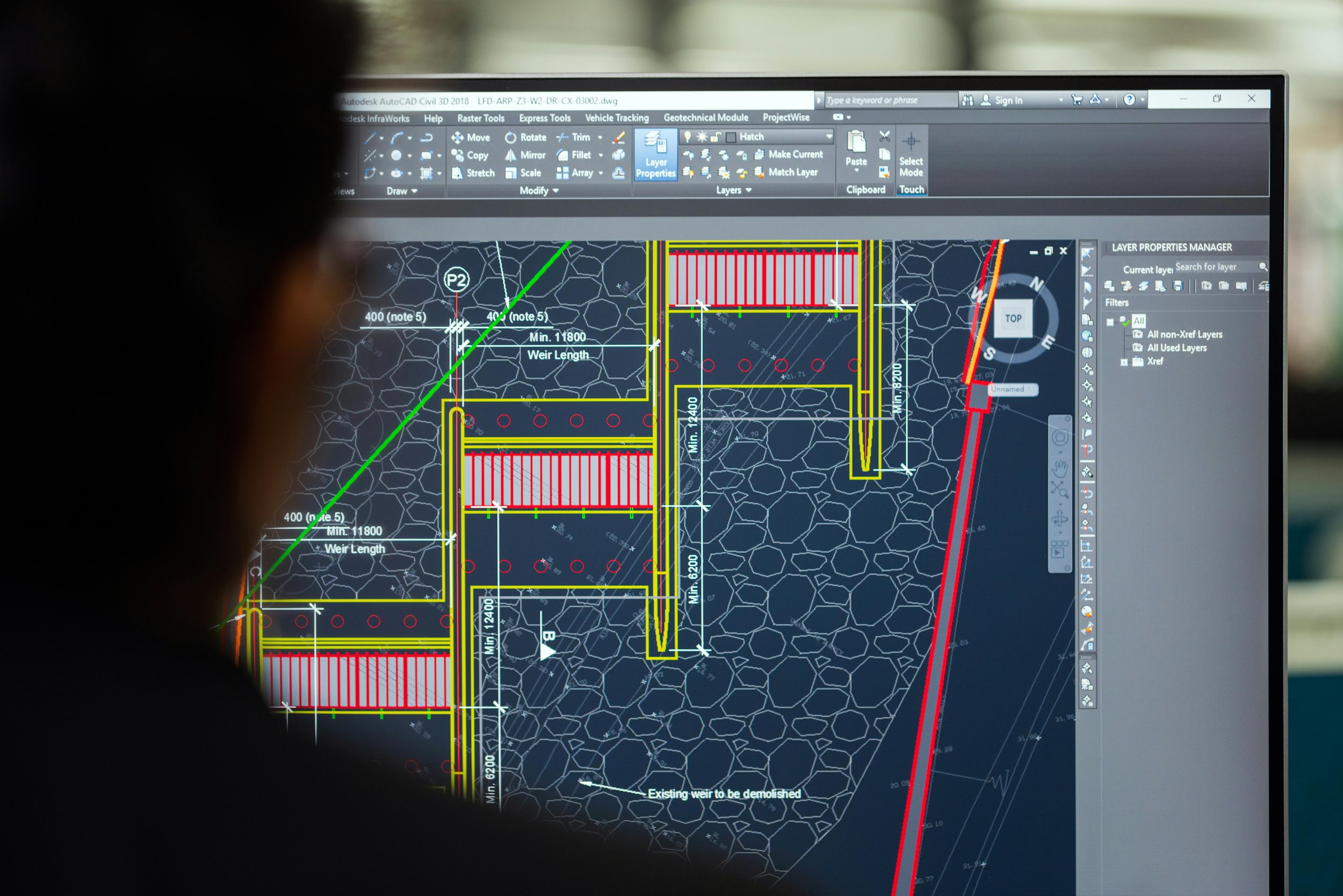
Digital Engineering has transformed how construction and built environment projects are designed, delivered, and managed bridging the gap between traditional practices and the modern digital workflows the industry now demands. It goes well beyond 3D modelling. By enabling collaboration, improving data accuracy, and optimising workflows, it empowers organisations to deliver more efficient and consistent outcomes across the built environment. Discover how mastering this essential skill set contributes to shaping a more resilient and capable industry.
Interested in our course?
ADVANCED DIPLOMA OF DIGITAL ENGINEERING (11343NAT)










FUTURE-PROOF MY CAREER
Want to future-proof your career, stay competitive, and build capability industry increasingly needs?
If you’ve been wondering how to move into Digital Engineering, keep pace with industry change, or unlock new career opportunities, the Advanced Diploma of Digital Engineering (11343NAT) was built for that next step.
UPSKILL MY TEAM

Need to upskill your team, improve consistency, reduce delivery risk, and better use modern technology across projects? Many organisations struggle to find practical Digital Engineering training aligned to real project delivery. The Advanced Diploma of Digital Engineering (11343NAT) helps organisations close that capability gap.
Frequently Asked Questions
Advanced Diploma of Digital Engineering (11343NAT)
-
This course has met Australian Qualifications Framework standards, was developed in collaboration with industry practitioners, and approved for inclusion on the National Training Register in response to clear industry demand. This means the course is formally recognised across Australia and provides trusted evidence of your skills and capability for employers, industry, and career progression.
Pivodel provide the training and assessment of this accredited qualification on behalf of TAFE Queensland (RTO 0275). Under this arrangement TAFE Queensland will award the qualification.
APPLY NOW onTAFE Queensland’s Website.
-
Yes. This course is designed for working professionals and delivered online to provide flexibility around employment and personal commitments. This allows participants to build capability while continuing in their current role.
-
This course is delivered 100% online through a combination of guided learning, industry-led instruction, practical activities, and self-directed study. This approach reflects how modern project teams collaborate and enables students to apply learning directly to real work environments.
-
This course helps organisations build practical Digital Engineering capability across their workforce to improve consistency, strengthen project delivery, and reduce risk. It supports teams to better utilise modern technologies, improve coordination and information quality, and benchmark workforce capability against emerging industry expectations. It also develops long-term internal capability that can increase productivity and create lasting value across the business.
-
Short software courses often focus on specialisation with using one tool. This qualification develops broader Digital Engineering capability across governance, coordination, structured data, interoperability, workflows, and real project delivery outcomes. It focuses on the capability to apply technology in achieving project objectives, not simply software skills.
-
AI is expected to enhance Digital Engineering capability rather than replace it. AI will increase processes, but people who can apply strong fundamentals to ensure engineering information is reliable and accurate, use sound technical engineering judgement, and prepare data in a way that creates value for the entire supply chain will remain highly important.
-
A nationally recognised qualification is formally accepted across Australia as trusted evidence of your skills and capability. This course meets Australian Qualifications Framework (AQF) standards, is listed on the National Training Register, and was developed directly with industry practitioners to address real industry demand.
Pivodel delivers the training and assessment on behalf of TAFE Queensland (RTO 0275), who award the qualification
APPLY NOW onTAFE Queensland’s Website.
-
Yes. This course is designed for working professionals and delivered online to provide flexibility around employment and personal commitments. This allows participants to build capability while continuing in their current role.
-
This course is delivered 100% online through a combination of guided learning, industry-led instruction, practical activities, and self-directed study. This approach reflects how modern project teams collaborate and enables students to apply learning directly to real work environments.
-
This course helps organisations build practical Digital Engineering capability across their workforce to improve consistency, strengthen project delivery, and reduce risk. It supports teams to better utilise modern technologies, improve coordination and information quality, and benchmark workforce capability against emerging industry expectations. It also develops long-term internal capability that can increase productivity and create lasting value across the business.
-
Short software courses often focus on specialisation with using one tool. This qualification develops broader Digital Engineering capability across governance, coordination, structured data, interoperability, workflows, and real project delivery outcomes. It focuses on the capability to apply technology in achieving project objectives, not simply software skills.
-
AI is accelerating Digital Engineering delivery and widening the gap between teams who understand the fundamentals and those who don't. Organisations that invest in structured Digital Engineering capability now will be better placed to govern data quality, manage risk, and get value from AI-assisted workflows. Those who don't will struggle to verify what their tools are producing.